

-

Josiah DeGraaf commented on the post, Dear Christian Novelists: Cleanness Is Not Next to Godliness 8 years, 1 month ago
It’s a strange yet powerful thing to realize that understanding darkness in appropriate ways can actually help us understand the light more. Thanks for sharing your thoughts!
-
Josiah DeGraaf commented on the post, Dear Christian Novelists: Cleanness Is Not Next to Godliness 8 years, 1 month ago
Yeah. There’s a whole other conversation to be had about the Christian publishing market these days since these “rules” are largely place due to reader wants and it’s hard to find an audience if readers don’t always want this kind of thing (for better or for worse). Glad you enjoyed the article!
-
Josiah DeGraaf commented on the post, Dear Christian Novelists: Cleanness Is Not Next to Godliness 8 years, 1 month ago
Thanks Martin. Those were definitely our goals in how we wanted to present these topics, so I’m glad it had that effect. 🙂
-
Josiah DeGraaf commented on the post, Dear Christian Novelists: Cleanness Is Not Next to Godliness 8 years, 1 month ago
You’re welcome, Bethany! I’m glad that this series is coming at a timely time for you. 🙂
-
Josiah DeGraaf commented on the post, Dear Christian Novelists: Cleanness Is Not Next to Godliness 8 years, 1 month ago
Thanks Anne! Yeah, when we first started discussing these subjects as a team (before this series was even planned), I had no idea how well it would go, but I was really blessed by the discussions we were able to have and am glad to have the opportunity to share some of our thoughts on these issues here. 🙂
-
Josiah DeGraaf commented on the post, Dear Christian Novelists: Cleanness Is Not Next to Godliness 8 years, 1 month ago
Yeah. Well, I think you’re hitting on the right questions we need to wrestle through as writers. Because God designed a world where terrible things happen without being responsible for those actions, I believe it’s possible to invent terrible things in our stories without sinning, but you’re definitely right that we can take this too far and we…[Read more]
-
Josiah DeGraaf commented on the post, Dear Christian Novelists: Cleanness Is Not Next to Godliness 8 years, 1 month ago
Thanks Kate! I love that perspective on writing. It’s a rather biblical one, too, when you look at how often the Israelites were told to “remember” their past in the Old Testament and given very tangible signs and customs to help them do so. (And of course, they still struggled to remember even with all of that!) Jarring truthfulness has a great…[Read more]
-
Josiah DeGraaf wrote a new post 8 years, 1 month ago
Dear Christian Novelists: Cleanness Is Not Next to Godliness
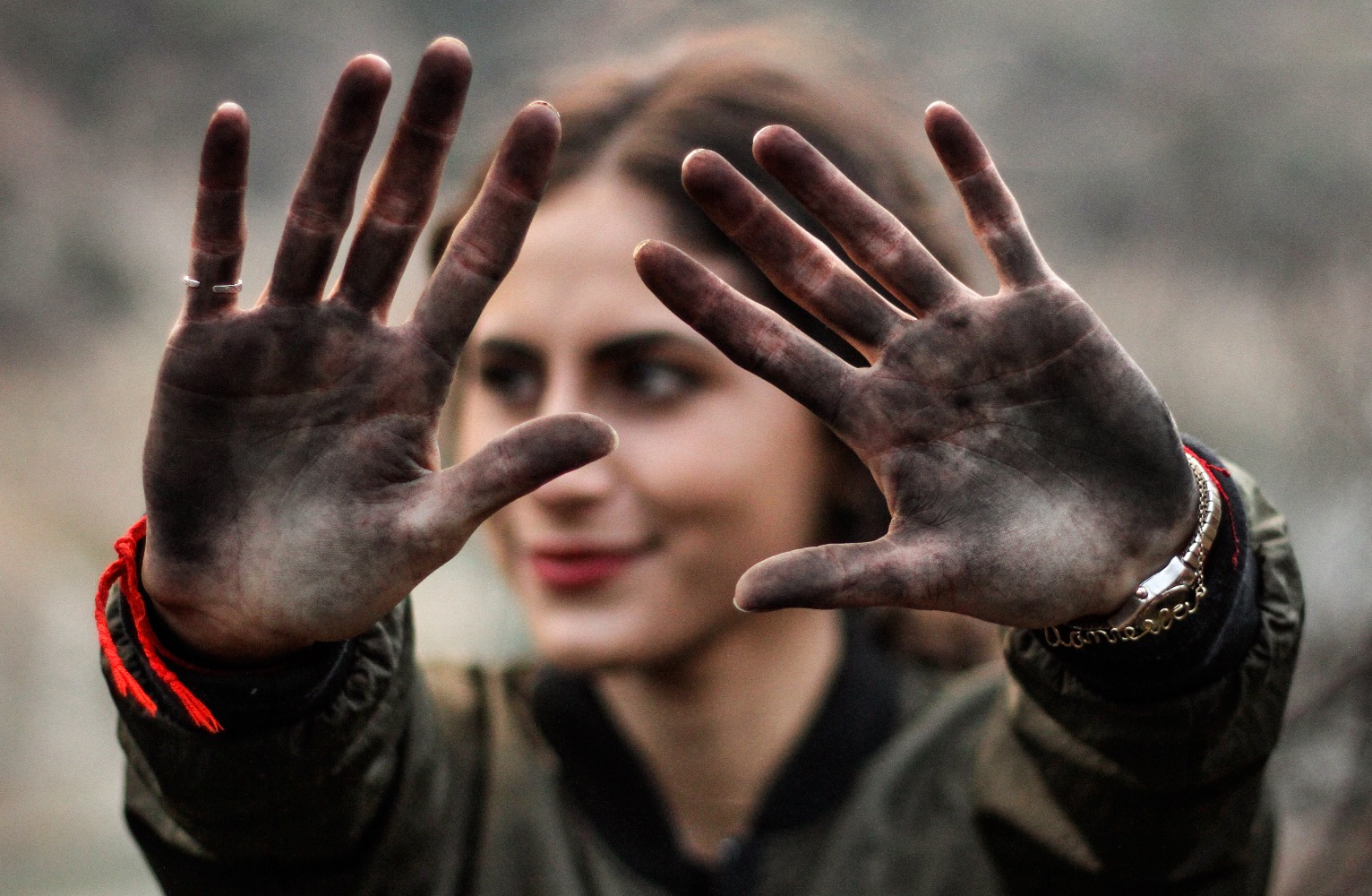 “Is he quite safe?” “Safe? Who said anything about safe? Course he isn’t safe. But he’s good. He’s the King, I tell you.” […]
-
Josiah DeGraaf posted a new activity comment 8 years, 1 month ago
Thanks for letting us know, Catwing! There’s not a great way on our ends to fix this unfortunately, but since activity pages aren’t visited often, I’m probably just going to let this be for the time being. Thanks for catching this, though!
-
Josiah DeGraaf started the topic Official Christian Storytellers Manifesto Discussion Thread in the forum General Writing Discussions 8 years, 1 month ago
If you haven’t seen it on the banner yet, the Christian Storytellers Manifesto is officially released and available at this link! 😀 https://storyembers.org/manifesto/
The manifesto represents our hopes and dreams at Story Embers for what great Christian storytelling can look like. We packed a bunch of concepts into many of these statements, so I…[Read more]
-
Josiah DeGraaf replied to the topic What is the purpose of writing? in the forum Themes 8 years, 1 month ago
@karthmin Yeah–Leaf by Niggle is awesome. Probably one of my favorite short stories.
-
Josiah DeGraaf replied to the topic What is the purpose of writing? in the forum Themes 8 years, 1 month ago
To quote the Westminster Shorter Catechism, I believe the highest goal of writing is to help us “glorify God and enjoy Him forever.”
On a more specific level, God created humanity in his image with the mandate to take dominion over the earth and rule over it in Genesis 1. Ruling over the earth means forming cultures and you can’t form cultures…[Read more]
-
Josiah DeGraaf replied to the topic Christianity when the story doesn't ask for it in the forum Themes 8 years, 2 months ago
As @scribbles mentioned, I don’t think every story needs to present Christianity in it. Partially because of the reasons I outline in that article, and partially because I think the techniques I describe in this article (https://storyembers.org/how-to-subtly-deliver-a-powerful-message-in-your-story/) are a much better means of writing meaningful stories.
-
Josiah DeGraaf commented on the post, How Explicit Should My Faith Be in My Stories? 8 years, 2 months ago
You’re welcome, Annika!
-
Josiah DeGraaf replied to the topic Mailchimp in the forum General Writing Discussions 8 years, 2 months ago
@skye On wordpress.org, you can use plugins (I use Sumo for my author site, but MailChimp also has a free plugin) to easily install pop-ups.
-
Josiah DeGraaf replied to the topic Would anyone be willing to look at my book? in the forum General Writing Discussions 8 years, 2 months ago
Hey @inkling-for-christ! Unfortunately school has already started for me and I don’t have time to read this at this point in time, but I hope you’re able to get some good readers for this project. 🙂
-
Josiah DeGraaf commented on the post, First Place Winner: Backstays of the Sun 8 years, 2 months ago
I love the way this story grabs you by the heartstrings and doesn’t let you go. There’s so much depth in Jamie & Thomas’ relationship and it’s so realistic as well. Thanks for writing this, Chelsea. It was a pleasure to get to read this. 🙂
-
Josiah DeGraaf replied to the topic Mailchimp in the forum General Writing Discussions 8 years, 2 months ago
I’m not familiar with how to put pop-ups on wordpress.com sites, only wordpress.org sites unfortunately. 🙁
-
Josiah DeGraaf replied to the topic Prayer Requests #1 in the forum Prayer Requests 8 years, 2 months ago
@the-inkspiller Just prayed that God would give both of you wisdom on this issue and help you come to an agreement on what it looks like to invest time in both these pursuits in your life. Sounds like a hard issue to work through. 🙁
-
Josiah DeGraaf replied to the topic a problem that bothered me about SE in the forum Guidelines & FAQ 8 years, 2 months ago
Hey @katthewriter!
I understand why this may seem frustrating if it felt like you had a really good story and blew your chances for publication by entering a contest with a rule you weren’t aware of. Let me see if I can clarify our policy and your specific situation.
Our current policy is not to publish other contest stories immediately…[Read more]
- Load More
Article Categories



Wow. Thank you, Josiah, for putting these out, and for not being abashed at the topics selected. It is hard to talk about that stuff, and I’ve always been blessed knowing people who are honest and unafraid to talk about it. Can’t wait to read these upcoming articles.
Thanks Anne! Yeah, when we first started discussing these subjects as a team (before this series was even planned), I had no idea how well it would go, but I was really blessed by the discussions we were able to have and am glad to have the opportunity to share some of our thoughts on these issues here. 🙂
Wow.. My brain is doing funny things after reading that.
This is an awesome article.
Something I was thinking about as I was reading was; the Bible was inspired by God and is true, not fiction. There is my difficulty.
Because it is fiction we have to make up characters, and situations that go against our morals and beliefs, even if we condone their actions and the situations. I think for the Christian mind it’s easy to make it to little or to much.
I personally don’t think violence, swearing, darkness, and sex [this is really tricky esp. for single authors to address] are bad to include in fiction. I’ve read to many squeeky clean novels and it was irritating. And then I’ve read novels that were to much.
And since the spiritual world is more real than the physical we have a duty to address it but exactly how I’m at a loss. I’m excited for the upcoming articles and can’t even begin to address my gratitude to you for writing this!
Thank you so much! 😊
Yeah. Well, I think you’re hitting on the right questions we need to wrestle through as writers. Because God designed a world where terrible things happen without being responsible for those actions, I believe it’s possible to invent terrible things in our stories without sinning, but you’re definitely right that we can take this too far and we need to strike a godly balance. We planned this series hoping it would help writers who don’t know how to navigate these issues yet, so whether you agree with everything we say in this series or not, I definitely hope it helps you achieve clarity. 🙂 Thanks for sharing your thoughts!
Thanks so much… I feel exactly the same way about history
Hmm.
I don’t completely agree. Mostly because I believe there are things that actually shouldn’t be talked about in public or publicly available works. Sex is one of them. There’s some things that need to stay private.
Yeah, Kelly. I am interested to see the next articles because it makes sense to me that we need to show the world how it is (because otherwise it would be fake) but I agree with you that there are some things that should NOT be shown. 🙂 (Unless I guess, if it is the theme/topic/focus of the specific book). So I don’t really know. *shrugs*
To some extent I think this depends on whether it’s really *shown* or simply hinted, possibly even led up to depending on how graphically it’s portrayed. I agree that sex should not be shown graphically or specifically, but I don’t think it should necessarily be avoided, either. It can be handled in a way that is respectful and “clean.”
Thanks for sharing your thoughts, Kelly! One of the things we want to encourage in these discussions is a freedom in sharing dissenting opinions, since that’s the grounds for robust conversations, so I appreciate hearing your perspective on this. 🙂
I believe I understand where you’re coming from, and certainly respect that position since I know several people who believe that as well. The last post in the series will be explaining my reasoning about depicting sex more. One of the things I think about is the fact that the Bible chooses to tackle it head-on in the Song of Solomon. It’s always described in a tactful and appropriate way, but it is poetically described, and I believe that gives human storytellers the ability to do the same, though we have to be exceptionally careful with how we do that. (I don’t believe it’s wise to graphically describe the act of sex, for example. There are better approaches to this that are more moral and more aesthetic that the Song of Solomon exemplifies.) So that’s a bit of where we’re coming from in this topic.
Thanks again for sharing this perspective. I’d love to hear more of your thoughts on this–especially when we get to our article on sex–since I love being able to hear and interact with alternate views! 🙂
It is difficult to write darkness. I am thinking about Charles Dickens as I read all this. His books are really good, and I find that they capture a lot . As a writer though, it is sometimes difficult to make it real, even though it may be fiction. I know when I see movies sometimes I say to my parents or siblings, “It’s a movie.” It’s not real. But we should make our fiction real and true.
Thanks so much for this article. I can’t wait to read the rest!
Yeah–these subjects definitely aren’t easy to handle as Christian storytellers, which is one of the reasons I think we may sometimes avoid them. Thanks for sharing your thoughts! Glad to hear that you’re looking forward to this series. 🙂
This is something that I’ve been thinking a lot about lately.
Already this article has helped me sort my thoughts better, so thank you! And I’m very excited to read your upcoming articles on these subjects.
And I totally agree with what you’re saying. The bad things can be hard to read, but they make the message of the story so much stronger… Thanks again!
Glad to hear you found this helpful! You’re definitely welcome. 🙂
Thanks Kate! I love that perspective on writing. It’s a rather biblical one, too, when you look at how often the Israelites were told to “remember” their past in the Old Testament and given very tangible signs and customs to help them do so. (And of course, they still struggled to remember even with all of that!) Jarring truthfulness has a great power, and many of my favorite stories possess that as well. Thanks for sharing your thoughts!
The fact Christians in some cases seem very afraid to examine these topics, yet Scripture often freely addresses them, has been on my mind for some time regarding how they should be studied in fiction. Portraying the world as it is, without brushing over the parts that make us uncomfortable, makes the glory of God stand out all the brighter.
Yeah–the Bible’s a really helpful model for what it looks like to do this well. Thanks for sharing!
You’re welcome, Bethany! I’m glad that this series is coming at a timely time for you. 🙂
Thanks Martin. Those were definitely our goals in how we wanted to present these topics, so I’m glad it had that effect. 🙂
This is something I’ve been working out my own beliefs on a lot through my current trilogy, which is the most serious story I’ve written. It includes some of these hard topics, and I’ve had to sort out–with the support of other writers and friends–what is appropriate to include and what is the wisest way to handle the things I include.
I’m looking forward to this series and I look forward to hearing y’all’s views and discussing these topics.
Thanks R.M.! I’ll be looking forward to seeing your perspective on these posts and the conclusions you’ve come through as you’ve been considering these issues. 🙂
Yeah. There’s a whole other conversation to be had about the Christian publishing market these days since these “rules” are largely place due to reader wants and it’s hard to find an audience if readers don’t always want this kind of thing (for better or for worse). Glad you enjoyed the article!
Yes. And light has more impact in the darkness. Hence, one needs darkness in one’s story to emphasize the light.
It’s a strange yet powerful thing to realize that understanding darkness in appropriate ways can actually help us understand the light more. Thanks for sharing your thoughts!
Xenocide is amazing. Speaker for the Dead is my favorite work of speculative fiction, and Xenocide is definitely up there as well for the complicated ethical dilemmas it wrestled through regarding the nature of life. Glad to hear you’re looking forward to the series!
I am so looking forward to reading this entire series!
Thanks Maddie!
Thank you Josiah! Great article!
A book that i’m co-authoring with a writing friend has those kind of issues, where at first i was kind of unsur about writing. But now i’m not, because it is a really powerful story about forgiveness, and God’s power in controlling everything in your life, even the real horrible things, that i think really needs to be written.
(sorry I haven’t replied back to your email, had a jaw surgery and been recovering, but i’ll try to get back to that soon)
~Kat
A writing friend once told me, “the darker, and more broken a character is, when he is mended and better the brighter his light will shine.” And i think it’s really true. Like the story of paul is very powerful of how he went from trying to destroy and kill all christians, to helping and teaching them,and sharing The good news.
Thanks Kat! I’m glad to hear you found this helpful. 🙂 I agree with your writing friend!
Yeah; all of the elements on that list are odd in my opinion, but that’s perhaps the most odd out of all of them to me personally. My only guess is that some of these publishers are in really extreme parts of the Bible Belt.
Glad to hear that you’re looking forward to this series! Our responsibility to be truth tellers is important to being a skilled storyteller and I appreciate your thoughts on that front. 🙂
You’re welcome, Julia! Glad to hear that this is coming at an opportune time for you and I hope it helps to give you clarity as you work on your novel. 🙂
You’re welcome, Jess!
Thanks for sharing your detailed thoughts on this, Noah! I’d love to hear more from you as we tackle the subjects in detail in the future posts of this series, especially when we tackle the subject of sex. I do agree with you that conscience is extremely important and one of the things we need to be careful about as Christian storytellers.
Writing fantasy does make the swearing topic a bit easier to work with; I take a similar approach in the fantasy works I write. Sanderson does a great job of coming up with natural curse words that reveal aspects of the world and convey emotions in that way.
Wow. Thank you for this amazing and honest article. I’m really looking forward to the rest of this series!
I think a big consideration when thinking about what to include in your stories and how graphic they should be is your target audience. If you’re writing for adults, then by all means go ahead and include whatever you want (though not to a degree that you’ll entice them to sin). But if you’re writing for the MG or YA market, then I think one should be more careful. YA is the toughest, in my experience. There are some teens who won’t flinch at reading anything, while others will be extremely sensitive to the mildest cuss words or “gritty” scenes. In some writing circles I’m a part of, “clean” stories are ones that are, in a way, gentle regarding all the topics you’re going to be covering here. Calling a book clean is telling the reader, “hey, this won’t be including a lot of those other topics.” I don’t think this is avoiding creating an image of reality because a lot of us can go about our day to day lives without encountering a lot of violence, sex, or cussing, and it’s fine if some people want to read stories without those elements.
That being said, I agree with what you talked about in the article about avoiding those subjects: we shouldn’t avoid them because they are part of reality, and writers write about reality.
So yes, I agree with all this, but for a YA or MG author, I’d caution about putting some of these elements in a story (or at least in more than a mild manner). I personally don’t shirk from including violence (after reading The Iliad, I discovered I’m immune to it :P), but I rarely include swear words (makes for choppy dialogue) and only hint at the third element because I don’t wish to expose my readers to too much of that.
Anyway…this article got me thinking 😉
Thanks for sharing your thoughts, Audrey! I agree that the age of the audience is really important for thinking through these issues. That’s probably the most prominent common theme in each of the four articles we’ll be releasing over the next several weeks since I think each of them touches on this point at one part or another. I don’t think I’d recommend putting any of this content in for a MG audience, and some things can work with YA, but I agree that some caution is wise. Like you said, I think it’s good to address these topics, but there’s a value in clean books and I think we need both in the publishing sphere. 🙂 There’s many different facets of life we need to look at and thankfully, not all of them are dark!
Thanks Micah!
You’re welcome, Tony! That does sound like a challenge to navigate. The practical realities of publishing today make it difficult to tackle these subjects since Christian audiences don’t always want some of the stories I think we should be publishing as Christian writers. :/ There are unfortunately few easy fixes to that problem as we need a bit of a societal shift on that front.
I am very much looking forward to reading all these posts; I’m hoping to clear up some questions and confusions of my own. 🙂
Thanks Jen! I’m glad to hear it. 🙂
Interesting story premise! I teach a lot of Roman & Greek mythology in my day job as an English teacher at a classical charter school, so that concept intrigues me. The Greek gods were definitely messed up, and I agree that you can’t gloss over the tough issues if you want to address them. Thanks for sharing your thoughts!
Thanks Rachel! I’m glad we’ve been able to open up this topic for our readers here. I appreciate hearing your thoughts about this issue! YA is a really important genre that can be hard to navigate on this front because of the age of the readers, but it’s critical to wrestle over and consider what this looks like for that genre.
This is one of those moments when I should probably just be patient and wait for Josiah to answer, but I was so interested by your comment!
It’s actually a very good point and one I suspect everyone at the staff agrees with.
We DON’T just want to share human experience because we can…because human experience really stinks honestly. Human experience is the catalyst for exploring how truth applies to everyday life.
I think this is what Josiah intended when he said: “Rather, I’d posit that he’s urging us to contemplate the nature of the ideal reality whether we are looking upon beauty or depravity.
As fiction writers, we help readers to meditate on the true, the good, and the beautiful not by avoiding depictions of evil, but by crafting our stories so that readers glimpse the beatific reality beyond the shadows.”
So now I’m curious — what do you think lent to you interpreting the article as being about human experience more than truth?
You know, I think it’s a clarity issue. Trust me, I KNOW you guys believe this. But I’m worried that young writers (myself included) have a tendency to be more fascinated by the darkness in our stories than the light, and I think that makes me slightly more sensitive to this subject and how exactly it’s being portrayed. I’m NOT saying we need to tout Jesus every seven words, but we need to be undeniably clear about the fact that the ONLY reason we should descend into messier things is to bring His light to those subjects. And I just… wasn’t getting that from this article, except for the very last paragraph. Despite the fact that all of us know this is what you believe, it still bothers me a bit.
I think the further articles will help clarify things for me. I’m super excited to see what you guys come up with.
I am really excited to read this and the upcoming articles! I have been trying to figure out how far I can take dark things in my stories, and already this is very helpful. Thank you for addressing these things that are easy to shy away from. A good way to follow up the Manifesto!
Thanks Ariel! I’m glad to hear you found this helpful and are looking forward to our future articles in this series!
Ah, okay. Thanks. I do think the next few articles will help clear this up some.
Thanks Andrew! Glad you enjoyed it. I’d love to hear more of your thoughts on this when we publish our article on violence. 🙂
Hm–that’s problematic. Thanks for letting me know about that notification issue. I’ve fixed the popup so it should be working now, but I’m not sure if it will pop up again for you. If you register elsewhere on the site, like on our resources page (https://storyembers.org/resources/), we’ll be sending out an email to our general mailing list so you could get it that way. Or it will be here next Monday as well.
Yeah; those are really important topics to handle. Timely topics as well. I’d love to see more books addressing both of those issues!
Hey Sarah! Thanks for sharing your feedback on this. I appreciate your perspective and willingness to share this–and as Daeus suggested, I think I agree with pretty much everything you have to say here!
One nuance I may make personally, though, since I don’t think all stories need to show the light of Christ in the same way, is that I think there’s value in depicting darkness for realism /if/ we’re seeking to portray it as actual darkness and as something we should be driven away from, not as something that attracts us. I agree that darkness can easily tempt readers down the wrong path and we should avoid doing that. However, I also think that /truly/ honest depictions of darkness should turn readers away from that darkness since the fascination darkness promises is all really a facade.
Anyways, I definitely appreciate you sharing your thoughts and concerns with this article. As Daeus said, our future articles (particularly Hope’s next week) should be dealing with some of these concerns you raised, and I’d love to hear your further thoughts on our future articles!
You’re welcome, Lauretta! I think that light at the end of the darkness is really important, along with the lines we need to set for ourselves to make sure the manner in which we’re depicting darkness is appropriate and wise. Passion can also be a helpful way to determine what sides of reality we feel called to depict in our stories. Thanks for sharing your thoughts!
Thanks Nicole! Those are really important questions. Writing a lustful character without dragging readers into their sinful patterns along with them is tough and a good portion of our article on sex is addressing that specific question. I’m glad to hear that this is coming at an opportune time for you. 🙂
Thanks JL! I’m glad to hear this is a relevant issue for you and would love to hear your further thoughts on this as we continue on in the series.
The whole time I was reading this article my mind kept going back to a quote I had read by Jonathan Auxier. “…Darkness is essential in storytelling. The only way you can really put true light and true joy and a true path for living in a story is if…characters…are being faced with actual threats and actual danger.” He was talking about children’s books in particular, but I think it applies to all of writing.
Basically anything I could say here has already been said 😀, so I’m just gonna say great article, Josiah, and can’t wait to read the rest in this series!
And also, to the whole Story Embers staff, thank you all so much for being open minded, and willing to talk about tough subjects. I really appreciate and admire that. Thanks.
That’s a great quote, Eden. Thanks for sharing! And you’re welcome. These are important questions to consider and it’s so much easier to think through them when we’re able to do it with others!
This is a great post, Josiah! As a person that likes reading darker fiction(Peretti, Sanderson, some of Jill Williamson’s books, etc…) it’s a hard topic to define exactly. My parents raised me as a Christian, but they never tried to put a “bubble” around me. Sure, I’m not allowed to watch certain movies, do certain things, wear certain clothes, but they’ve never tried to, say, not allow me to watch movies with magic in it because real-world magic is evil. They’ve never tried to hide the truth from me, and that I appreciate immensely.
So in retrospect, while I agree that swearing, unnecessary violence, and sex are definitely things that are unclean, I don’t necessarily shy away from watching/reading something that might have swearing, or gore, or implications of intimacy.
I guess what I’m trying to say is that while darkness should be shown, I think it should be handled in a way that makes sure the readers understand that this is BAD, not good, or morally gray, or anything like that. Murder is murder, whether the murderer does it avenge his family or not. It’s still the same thing, and readers need to know that.
At the same time, I think we should be sure to not let what we want the world to be confuse us with what it is. From my own experience with Christian, home-schooled friends… we can be pretty naive sometimes when it comes to the way things work and the kind of things that actually do happen right under our noses. Maybe it’s just because we’re young, maybe it’s because we like to think that the world is better than it truly is.
But regardless, the true nature of the world is sin. So sin happens. Horribly, disgusting sins happen. And just because they exist doesn’t mean in anyway that we should all write about them–but we should know that they happen and not try and fool ourselves into thinking that everything will be fine as long as don’t think about it. Because that never got anyone anywhere, and it’s certainly not going to help any of those sinners change their ways and stop sinning.
In short, I think darkness is something that needs to be realized as reality in fiction, but not as certainty. Things are dark, sure, but they can be better if we try. The only problem is at the moment the world is so focused on accepting sinners that they accept the sin as well. That should not be how it is in our stories–we should show what is BAD, and what is GOOD. No in-between, no justified sin, no avenger’s quota. Yes, no person is fully good or fully bad–we’re all a bit gray. But that’s US, not the actually definitions of right and wrong. Because while we can be gray, God cannot. So despite the fact that we are gray, you must still depict light and darkness as just that–black and white.
And so ends my rant. *disappears into mysterious fog*
Thanks for sharing your thoughts, Sarah! I enjoyed hearing your perspective on this, and I think you’ll appreciate reading our upcoming article since Hope’s tackling a number of the things you mentioned there. 🙂 In many ways, I think we’re called to depict evil actions as evil not just because that’s the moral way to do so, but also because it’s the realistic way to do so. It isn’t realistic to paint actions to be something that they’re not.
No problem! I agree with everything you said up there. I am really looking forward to Hope’s article, and all the rest to come. Now if only they could be posted faster so I can read them sooner….. 😉
I like your reasoning that we should depict evil as evil not only for moral reasons, but because it’s realistic. I think our culture today has a fixation on trying to accept people, that it’s going way to far. Sure, it’s not right to bully someone just because, say, they aren’t white. But it’s also not okay to accept someone’s undeniably wrong actions just because society says we should be nice and love everybody–because there is a difference between being nice and loving everyone and being ignorant and accepting everything anyone does because it’s “what a good person would do, because good people don’t hate anything.” *eye roll*
We try to push past our former racial, social, and personal grudges, and only end up twisting the world more by forgoing moral codes and our own conscious for someone else’s comfort. No offense to anyone, but if one of my friends is doing something wrong, I’m not going to accept it for their comfort. I’m going to get in their face and say, “You need to stop that.” Because wrong is wrong, and right is right. You can’t forgo the God’s laws(or just a normal personal conscience) just for your own personal comfort.
I guess what I’m trying to say is that I agree with you. 😉 It just took me a while to get there.
Thanks Bill! That sounds like a really interesting set of vocations that you pursue!
Yeah. This series is considering the “what can you write morally” question more than the “what should you write practically if you want to get published” question, but the latter is a significant factor for authors to consider. Really, I think we need shifts in what readers look for in the Christian genre and shifts in what writers produce for the Christian genre. Unfortunately it’s hard to make those shifts sync up, leading to either readers leaving the genre or writers not finding publication. :/ I don’t have easy answers for that problem.
Thanks for sharing your thoughts, Ben! I really appreciate hearing your perspective and agree a lot with you on your point about inclusion and also how children should be introduced to these subjects. If they’re going to hear them either way, they may as well hear them from the right point-of-view.
Very good and useful article. I also don’t think we can escape the darkness of the world and there are times when Christian Fiction seems too sanitized. Some people think that the International Christian/Inspy market is too Liberal/Lax in its standards for allowing things like milder cuss words.
There are some words that just aren’t that offensive, or maybe I don’t know, its a cultural thing. Some words are considered rude in some countries but not others.
I mean I’ve noticed how even in Biblical Fiction every distance is measured in blocks. I’m always left thinking ‘Did they really talk about ‘ten blocks away’ in ancient Rome, or 4th Century BC Israel’? I doubt it. I understand its been modified to make it more understandable for a principally American audience, and I wonder if that’s the same for standards of ‘clean’ fiction as well. Are we preaching to the converted and just targeting the same audience over and over- American Evangelicals?
As someone who has flirted with the idea of writing historical/Medieval Fiction, one thing I’ve thought if is that would depicting the way that people in the past used to drink ale or beer on a daily basis because it was considered safer that water be acceptable? Or would that be considered promoting alcoholism? The former is historically accurate, but would it be been as contravening the standards of ‘clean’ fiction.
Just one of a few issues I suppose.
I sort of understand ‘clean’ to mean no sex, but I understand some people have far higher standards. Standards which I do not always agree with. For example, some ‘crude’ words are cultural.
British people like me don’t consider the ‘b’ word (the one that rhymes with ‘study’) to be especially offensive, and yet I understand it would not make it into most Christian Fiction without complaint.
As someone who flirts with the idea of writing Medieval Fiction, I do wonder about self-censorship. For example, there is another ‘B’ word meaning a person born outside wedlock, which was actually applied to certain historical figures. Would that be considered a cuss word that had to be edited out?
Or what about the fact that many people before the modern period drank ale instead of water because it was safer ? That is a historical fact, but if I included that in a novel aimed at the Christian market, would it be considered promoting alcoholism?
I do think that the expectations for ‘cleanness’ go a little too far at times, and even on occasion make Christian Fiction look a bit silly.
For example, I’ve read a few novels in which beer and wine are referred to as ‘strong spirits’. No, ‘spirits’ refers to distilled alcoholic drinks, and those are not distilled. It does not just mean any alcohol.
“Fiction writing is a dangerous business. Portraying the full human experience in all its beauty and depravity is no small task. Nor is it necessarily a clean one. But when we use the contrast between light and darkness to reveal people’s need for salvation and God’s goodness in a broken and vicious world, our stories have power.”
Ooooh, yeah. That mammothity of this task. I SO much appreciate your acknowledgment of such a truth. The danger, the study of darkness is such a way. That paragraph is a beautiful reminder of what this task is, that it’s a task indeed, and our struggle does not mean our failure. It is merely testimony to the great mountain we’re trying to clime.
Thank you.
You’re welcome, Buddy. 🙂 I’m glad that paragraph resonated with you!
I would agree with your rule of thumb there, provided it’s in the context of Christ also being the one who inspired some pretty dark parts of Scripture, such as the conclusion of Judges. Ultimately, we ought to write to glorify God, not man, and I also agree that some Christian authors go too far on that front. I just read a submission a couple weeks back that was rather disturbing because of that. :/ I don’t know how similarly or differently the two of us may draw those lines in that practice, but I’m definitely with you on those principles!
Incredible post. Came to this from the 2023 recap email, and I see why y’all list it as one of the best. Really cool to see the thought process behind “portraying reality in all its beauty and depravity,” as that was one of the things that made me really trust this website for good advice in the first place. Great job.