When you’re crafting a story, believability is paramount. The quality of your prose, the relatability of your characters, and the intensity of your conflicts won’t hold readers’ attention if they can’t accept the sequence of events as representing their own reality. Can you identify the supervillain who’s notorious for thwarting that goal? Her name is Mary Sue.

5 Cringeworthy Mistakes to Avoid in Christian Fiction
Although Christian readers enjoy consuming material from authors who share their faith, some of it can be difficult to digest. Maybe a turning point in the protagonist’s arc fails to evoke any emotion, or the attraction between two characters involves awkward prolonged glances and tingles. How can people who understand God’s design for life and the sin that tainted it botch those portrayals so badly?
How to Avoid Hurting Readers When You’re Trying to Help Them Heal
As a Christian storyteller, trauma scares me. I want to touch readers and leave them with more hope than they carried in. My concern makes me hyperconscious of how they might respond to unsettling content, and I’m tempted to cushion gore and grit.
The Secret to Writing Depressed (but Not Hopeless) Characters
In the past, Christian publishers shied away from the topic of mental illness. And when a book did broach it, sometimes the advice dismissed the condition as unreal, perpetrated myths, or failed to provide the needed support and encouragement. Thankfully, Christian publishers have become more open to addressing gritty issues, and several releases over the last couple decades have touched on mental illness—including Sara Ella’s Coral, the center of our 2022 summer book study.
3 Ways to Craft Magical Retellings That Are More Than Fairy Tales
Writing is hard. Life is harder. It’s full of tragedies, grueling work, annoyances, setbacks, frustrations, and disappointments. Nothing at all like a fairy tale. Yet fairy tale retellings have become increasingly popular over the last several years—from Gail Carson Levine’s Ella Enchanted to Marissa Meyer’s Cinder to Kara Swanson’s Dust. But what is the value of this subgenre besides marketability, and how does it relate to real-world issues?
How Boredom Can Make You a Better Writer
When was the last time you were bored? During my childhood, those who dared utter the forbidden phrase “I’m bored” were saddled with a chore or two (or three). Boredom is often viewed as idleness, and the solution is to fill that void with productivity. What if I told you that, as a writer, boredom holds an advantage?
3 Mindsets for Surviving (and Thriving) at Your First Writer’s Conference
Conference season has arrived! And that means a fair amount of nail biting for new and returning attendees alike. Meeting authors you admire, pitching your work to agents, and trying to absorb as much knowledge as possible can be stressful.
2 Ways to Grow as an Author without Actually Writing
When you sit at your desk and take up your pen, you’re centered on the act of being a storyteller. You bring to bear all the skill and experience you’ve accumulated. But what about the moments when you aren’t shaping settings and characters? What mindset fills your head?
How to Explain Your Story’s Premise without Getting Tongue-Tied
A few years ago, an inquisitive stranger cornered me with a seemingly innocuous question: “What’s your book about?” Instead of rattling off a zinger, my brain blanked, my tongue tangled, and I stuttered something about “a monster who eats people” before hastily retreating.
Character Goals Can Help You Craft Descriptions Readers Will Love
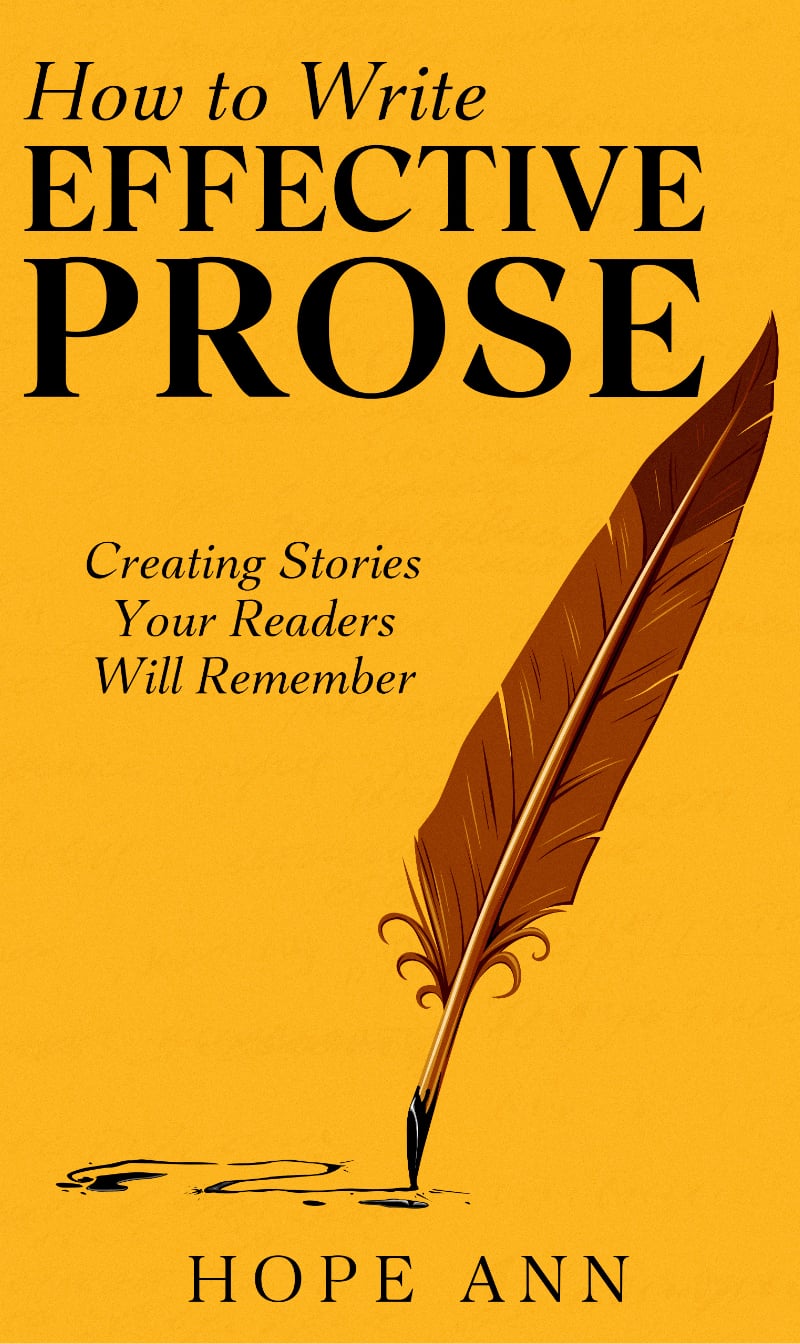
Prose is the undertow that immerses readers, and the deeper they sink, the more truth and beauty they can explore. The transformative power of storytelling resides in the author’s ability to pull readers into an unfamiliar sea and convince them they can taste the salt. Until they believe the waves lapping at their imaginations are real, they won’t set sail—or ever reach the shore of a new perspective.