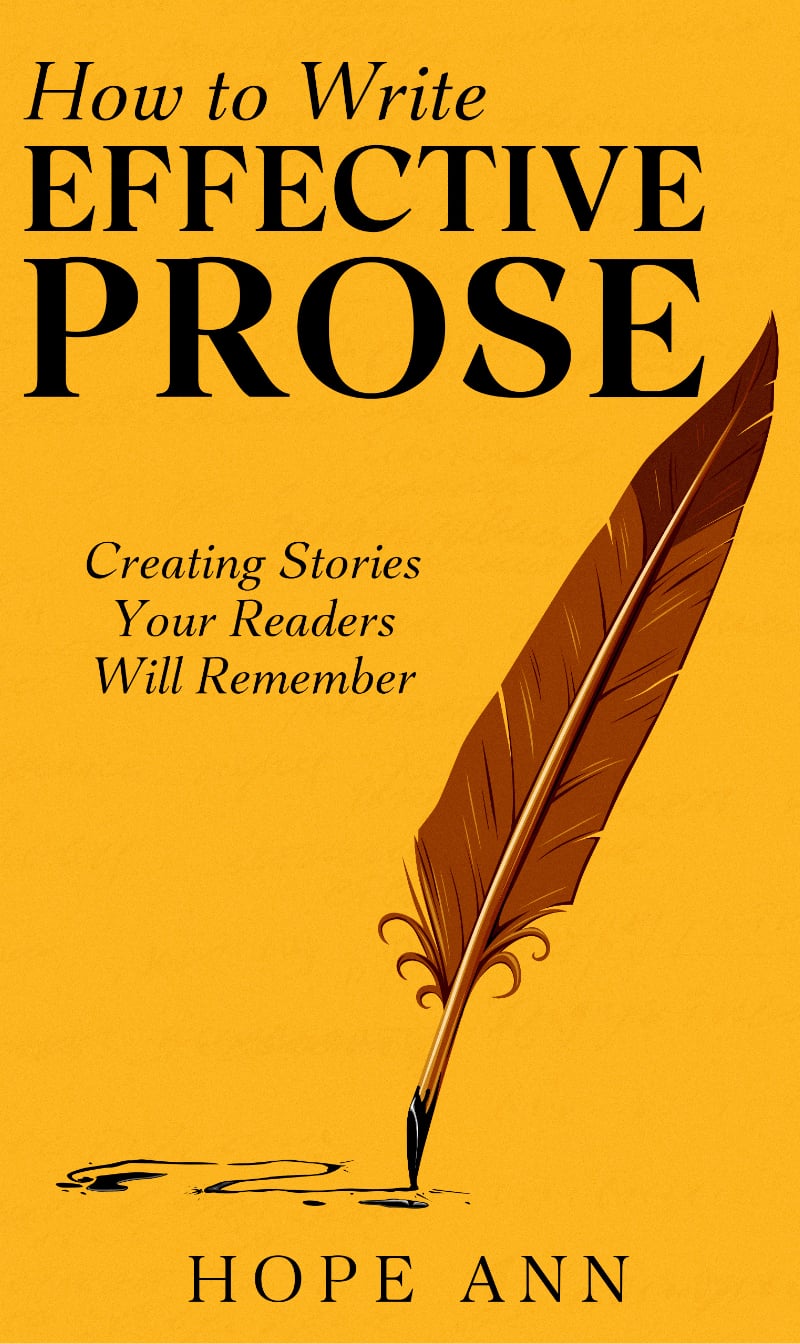
A book that’s the clone of hundreds of others won’t capture or keep a reader’s attention. Every sentence—the flesh and muscle of a story—must glisten. The most legendary writers, like Ernest Hemingway and Virginia Woolf, are memorable because they honed their own idiosyncrasies into pleasing forms of expression. If you hope to write evocatively, you need to learn how to capitalize on any sentence length.
The Biggest Lie We Believe about Strong Female Protagonists
Strong women, as they’re portrayed in a lot of fiction and films, have a problem. They act like men (albeit hot men with curvy bodies and perfect hair, teeth, and nails). This bothers me, and it should bother you too, because we’re being fed a lie. Male and female perspectives each possess great worth, and both genders are vital aspects of the human experience. Neglecting one or the other in a story guts the truth’s potency.
Should Christians Write Fantasy That Contains Pagan Mythology?
You can’t avoid running into mythology, not when it plays a role in so many beloved stories—a few of which are probably on your favorites list. But does your faith give you a reason to feel guilty for enjoying or creating that kind of entertainment? Can writers who believe in the one true God justify the depiction of multiple deities, magical creatures, and mystical rituals? Or will those elements mock Him?
A 12-Month Sample Plan for Preparing Your First Book Launch
I recently signed a contract for a young adult novel, and my publisher set up a meeting with a literary agency to strategize the promotion of my book. The savvy ladies I spoke with offered a smorgasbord of suggestions, many of which I was familiar with. After all, if you hang around the writing community snack bar long enough, you’re bound to pick up a morsel or two about marketing.
3 Time-Tested Techniques for Crafting Unforgettable Endings
A powerful ending doesn’t stay sealed inside a book once you close the cover. The surprise, challenge, curiosity, or inspiration in the final words becomes part of you. You’ve lived an experience through the characters, watched them resolve an issue, explore an idea, or pursue a goal. And now their feelings have melded with your own. How a story ends is as important as how it hooks readers in the beginning. One captures readers’ interest for a few hundred pages while the other captures their hearts forever. You can approach an ending from any number of directions, but I’m going to outline three of my favorites that can help you brainstorm a memorable one.
How Christian Writers Can Confess and Conquer Perfectionism Each Time It Strikes
I started writing as a ten-year-old, inspired by my favorite authors who, in my mind, were the epitome of success. I longed to capture the hearts and imaginations of readers as powerfully as they captured mine. Yet, as I’ve matured as a writer, a bad habit has forced me to reconsider my outlook on success.
How to Detect and Fix a Flat Main Character
A month ago, I had a shocking revelation about my current work-in-progress: my main character lacked a distinguishable personality and clear motives. I’d spent over a year on the story and written almost 100,000 words. How did I manage to screw up one of the most important parts?
Handle with Care: How to Confront Touchy Issues with Compassionate Storytelling
Abortion. Homosexuality. Feminism. Race. Border politics. These topics dominate the news, and fiction needs to accurately portray our world, but how do we write with caution and avoid inflaming or alienating readers? (Hint: Not with blunt statements like the opening of this article.) God’s Word reveals answers and helps us form clear stances on controversial issues. Unfortunately, when we try to share our beliefs in our stories, we can come across as condescending (at best) or openly hostile.
How to Make a Character Come Alive
What makes a character come alive? Writers have been asking this question for ages as they attempt to convince readers that little markings on a page are actually living, breathing people. This is no easy feat. You’ve likely struggled with it yourself. In this article, Daeus explains the one thing you need.
Insecure Writers Don’t Need More Reassurance, They Need More Surrender
If no one’s ever told you, you’re a liar. And you’re allowed to be proud of it. As storytellers, we’re engaged in a ministry that’s centered around imaginary realities. We carve out mythic spaces and beckon readers to enter in the hopes that they’ll gain a better understanding of themselves, their world, and God’s purpose for them. We’re masters at weaving beautiful lies, but not at ignoring ugly ones.