For many of us who write speculative fiction, worldbuilding is a key part of the process. I enjoy harmonizing the story world, themes, and characters. When I succeed, the results are rewarding, and I’m equally fascinated by complex cultures in the books I read. Since art both reflects and affects worldview, its role in a culture reveals many secrets.
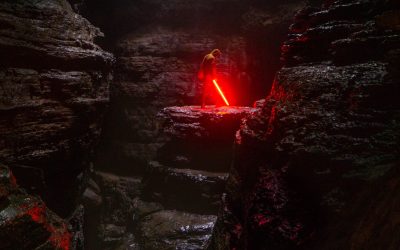
How the New Star Wars Trilogy Teaches Writers to Craft Compelling Symbols
Writers tend to view symbols as literary tropes to develop a story’s theme. However, well-executed symbols not only deepen theme: they enhance the audience’s enjoyment of a story. Here’s a few lessons we can learn from the new Star Wars trilogy about how to craft symbols that emotionally impact readers.
3 Ways Fawkes Reveals How a Misguided Hero Can Deepen Your Story
As writers, we love the heroes in our stories, and despite putting them through intense misery, we want them to support the right side. But in Fawkes, the scenario is the opposite, because Thomas spends most of the story fighting for the wrong cause.
How Fawkes Delivers a Unique Approach to Christian Fiction
Fawkes is one of those novels that breaks the “rules” for how to deliver a Christian message without sounding preachy. Many of the tropes used in this novel would be cliched or annoying in other stories. But Brandes makes them work without any of those downsides. Here’s how she did it.
How the Apostle Paul Teaches Writers to Craft Authentic Character Conversions
Conversions in literature used to be so common that a person could hardly stroll into a Christian bookstore without the gospel screaming at them the instant they opened a book. One out of every five novels seemed to be another Pilgrim’s Progress (with the rest being Amish romance). Thankfully, with the focus of Christian fiction changing, this is less of a problem. However, you may still be wondering: Should conversions in Christian fiction be eliminated completely?
3 Ways the Book of Esther Inspires Writers to Glorify God Between the Lines
Esther is one of the most beautiful books of all time, teaching us more lessons than a college class. It’s the Mona Lisa of literature. Yet, surprisingly, God’s name is absent from the 167 verses, which has caused some people to doubt Esther’s authenticity in the canon.
How to Use Themes to Create a Fantastic Story Outline
You can plan a novel many ways. Perhaps you begin with a glimpse of a character, a snippet of a scene, a thread of plot, or even a line of description. You have a spark of a story, and now you need to turn it into a cohesive plan.
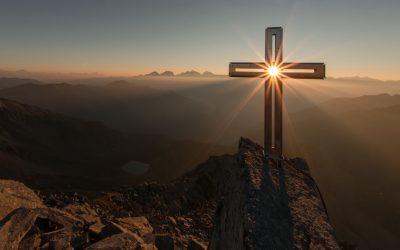
How Explicit Should My Faith Be in My Stories?
Storytelling is hard. Being a Christian storyteller can seem even harder. If we’re striving to live for God’s glory, that needs to include our storytelling. But how explicitly Christian must our writing be to honor God? In this inaugural article, Josiah evaluates the strengths of two approaches to Christian fiction.