Latest Articles

How to Worldbuild without Losing Your Mind
I tend to procrastinate about worldbuilding because it overwhelms me. I’m expected to design an alternate reality that’s as complex and nuanced as my own. Considering the thousands of cultural customs, geographical differences, and historical events attached to every inch of Earth, the task seems too infinite for my finite imagination. Where do I start? How do I determine when to stop? Which ideas should appear in my story, and which should remain archived inside my brain?
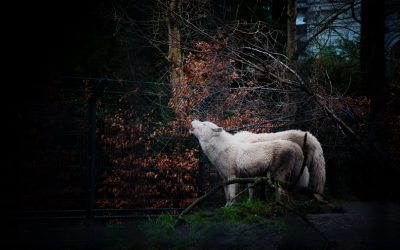
How to Use Details in Action Sequences
“Be specific,” they say. “It will help your story,” they say. This is good advice, but it’s not always true. “Be specific” does not mean “be specific with every word you write.” The wrong kind of details won’t help, especially in action sequences. Painting a vivid image is all about balance.

3 Powers of Personification
When you take the leap and attempt writing poetry, you’ll find a multitude of tools at your disposal. Some are self-explanatory, some are surprising, and some are downright strange. All you need is practice. You can arrange rhyme, metaphor, and simile in a variety of combinations to wreak havoc with language.

Don’t Let Pressure Kill Your Joy in Writing
It is a generally acknowledged fact that writing takes forever. We wish we could skip the blood, sweat, and ink part of the process to get to the shiny published product. Publication becomes a higher priority as we grow older and college, job, and life choices loom before us.

Enliven Your Story’s Descriptions by Infusing Them with Character
A unique setting isn’t about how you describe it, but about how a character perceives it. Everything in a story revolves around characters, including setting. Descriptions are not foreign elements that must be incorporated solely because characters need a place to plant their feet. Showing the setting through the eyes of a character gives it purpose, direction, and meaning.

Article Categories