Latest Articles
3 Tips for Writing Your First Historical Fiction Novel
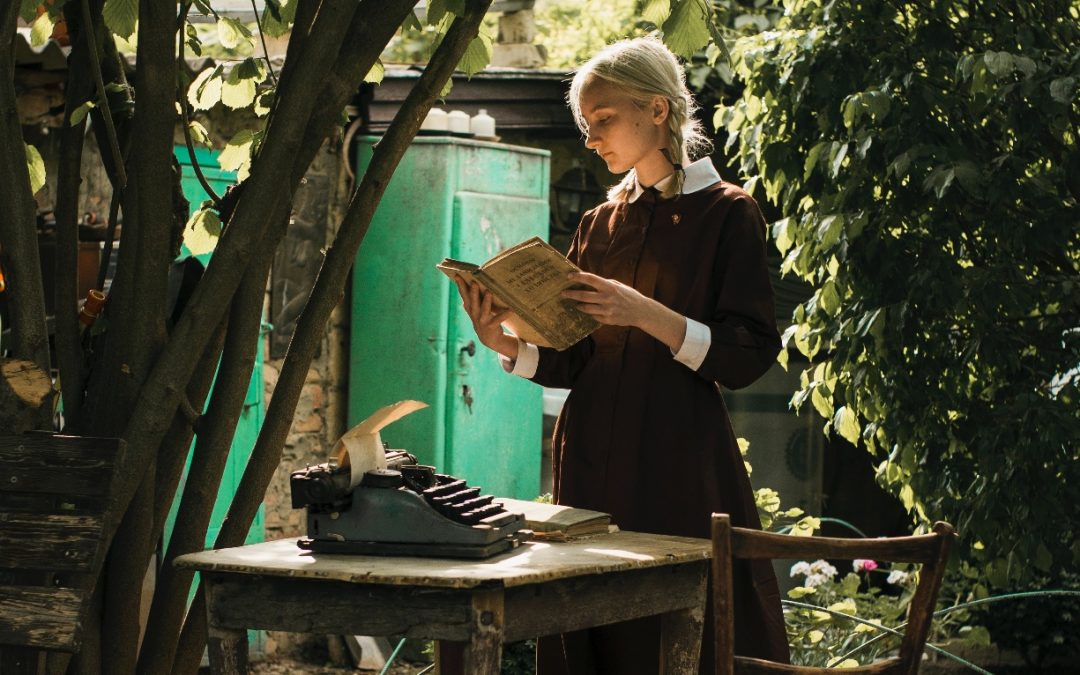
Historical fiction offers writers a huge advantage in the area of plot development: real situations dictate the parameters for the setting, the conflict and resolution, and the characters. You don’t face the pressure of inventing everything from scratch. The disadvantage, however, is equally far-reaching. You must ensure the accuracy of even the smallest details, including clothing, dialects, and customs. The task can seem overwhelming, but it’s manageable if you address one category at a time.

3 Ways to Keep Your Cast of Characters from Blurring Together
When crafting a story, writers spend as much time agonizing over the characters who populate it as they do the events that happen. Without relatable, realistic, and distinguishable characters, readers will feel disconnected, no matter how interesting the setting or plot is.

3 Lies about Stylistic Editing (and Why They Hurt Your Writing)
Editing is easy to overdo. You open your latest draft to restructure a scene, but as you reread your work to get your bearings, you can’t resist tinkering with a clunky paragraph in the previous chapter. Then you remember a worldbuilding element you need to research so you can use it to set the mood when your protagonist meets her love interest. And soon you’ve spent an hour brainstorming the perfect analogy for his blue eyes.

How to Brainstorm a Topic for Your Poem When You’re Out of Ideas
Whenever I’ve asked my students to write a poem, I invariably hear the question, “Where do I start?” My immediate reaction is consternation, plus a certain level of frustration (in case you don’t know, writing teachers can be an exasperated bunch). Poetry is all about your surroundings, right? So, formulating a topic should be as easy as attending school, going to work, or otherwise carrying out your daily routine. Why, oh student writer, are you overthinking this task? It’s supposed to be fun!

Tolstoy vs. Superheroes: Two Approaches to Character Development
A plot may stimulate readers’ minds, but even the most unforeseen twists won’t linger in their memory unless the events are deeply rooted in the characters’ lives. Strong character development engages readers’ emotions, giving them someone to invest in and identify with. It’s a crucial component of fiction, but the execution looks starkly different in a plot-driven story than in a character-driven one. By comparing the two styles, writers can learn how to capitalize on the one that best serves their work-in-progress.
Article Categories