Latest Articles
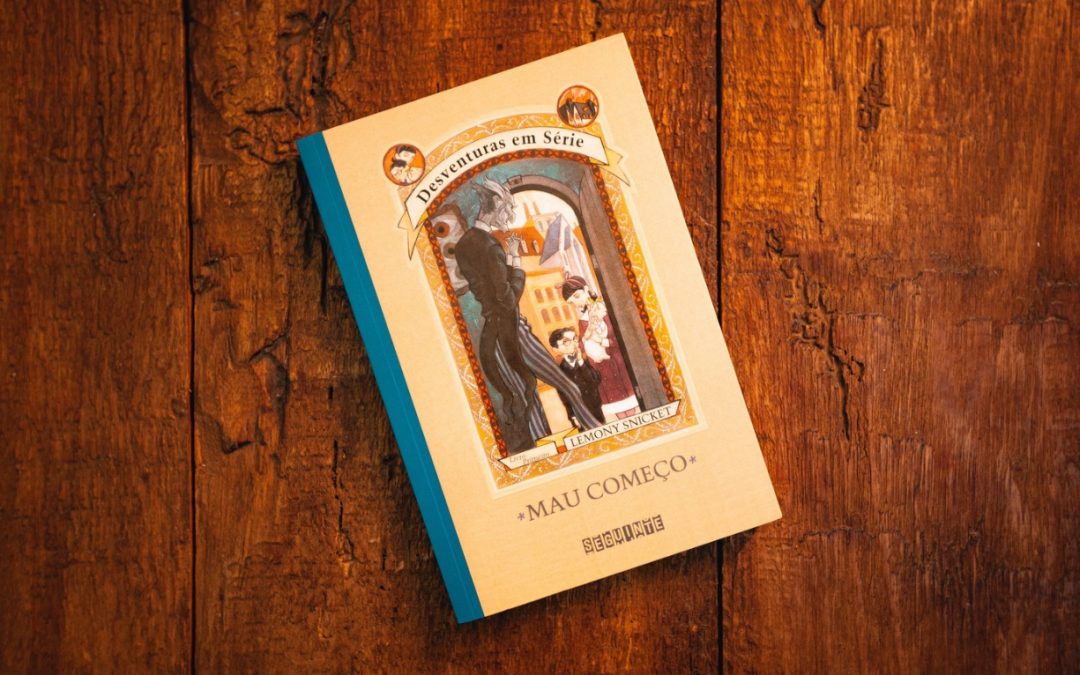
Lemony Snicket’s 3 Keys to Memorable Villains
Who is the best literary villain of all time? Various people would argue that Dracula, Shakespeare’s Richard III, Voldemort, and Sherlock’s rival, Professor Moriarty, are top contenders. But, for me, the answer is clearly Count Olaf from A Series of Unfortunate Events.

3 Subtle Ways Fear Might Be Controlling Your Writing
Fear is beneficial for the warrior. When the earth was younger, fear motivated people to fight lions and giants to protect themselves or loved ones. Today’s writers are no longer battling beasts with spears but blank pages with pens. Like our brethren of old, fear can strengthen us, helping us to honestly evaluate our work and aim for excellence.

How Gender and Age Should Affect Characters’ Emotions
“Gah! This book gave me all the feels.” We love when a story leaves a lasting impression, and we hope our own writing garners a similar response. Emotions have such a huge influence on our relationships, choices, and habits. And our society is obsessed with learning about the human psyche. Kids are introduced to gender identity and taught emotional awareness at increasingly younger ages.

How to Create Characters with Relatable Emotions
Great stories have a broad emotional range that sends readers looping through laughter, soaring toward ecstasy, and plummeting into despair. When we open a new book, we hope it’s our ticket to a rollercoaster we’ll never forget. Unfortunately, building this thrill ride as a writer is challenging.

How Personality Types Should Affect Characters’ Thought Processes
Personality assessments are a hot topic today. But, like everything in life, people’s opinions differ widely. Some treat personality types as the explanation for all human behavior. Others are skeptical for reasons ranging from personal to religious. The truth, as so often happens, falls between those two extremes.
Article Categories