Latest Articles

Why Realistic Motives Alone Don’t Create Believable Villains
As long as a villain has a reason for his wicked behavior, he’ll seem real. Right? Or will he? Shoppers grow hungry but don’t steal. Bank tellers get angry but don’t beat up customers. Hardships tempt people to commit crimes daily, but they control themselves.

How to Increase Your Efficiency When Researching for a Historical Novel
Writing historical fiction requires a level of thoroughness that exceeds other genres. Instead of constructing new worlds, you’re representing bygone people and places. You might pore over book after book in your library’s reference section, or you might scroll through dozens of online articles. Maybe you’ll even do both! Whatever time period your novel resides in, the amount of information you need to accurately portray it can seem overwhelming.

3 Ways to Build Stamina for a Writing Career
Millions of books release each year—yes, millions. Between traditional and indie publishing, the number of new titles entering the market is staggering. Maybe those statistics boost your confidence that someday you’ll sign a book contract. If a million writers can slink past picky acquisitions editors, so can you. Or maybe the fear of missing out torments you. You’re struggling to finish your draft—what if no one ever expresses interest in your work because the proverbial field is already scattered with others’ stories?

3 Ways That Writing Nonfiction Helped My Career as a Fiction Author
Fiction is my wheelhouse, my first and last love, my comfort zone, the place where I shine. So, when I noticed Story Embers’ Instagram advertisement for an article writer, I scrolled past it. I couldn’t be the person they were looking for!
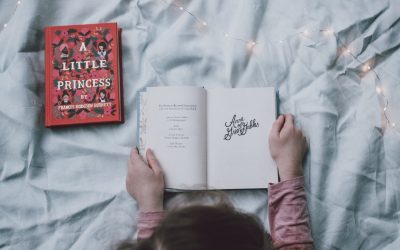
Why Children’s Fiction Writers Need to Provide Readers with Good Role Models
Kids’ minds are like clay. Everything they see and experience leaves a mark, and for better or for worse, the impression is difficult to remove later. I don’t recall much from my childhood, except the characters who took me on grand adventures. However, a startling amount of elementary and middle-grade fiction promotes damaging ideas—you know, the whole “parents are the worst, kids are smarter than adults, rebellion is cool” schtick. Because stories influence how children perceive the world, we should be especially careful when crafting entertainment aimed at them.
Article Categories