Latest Articles
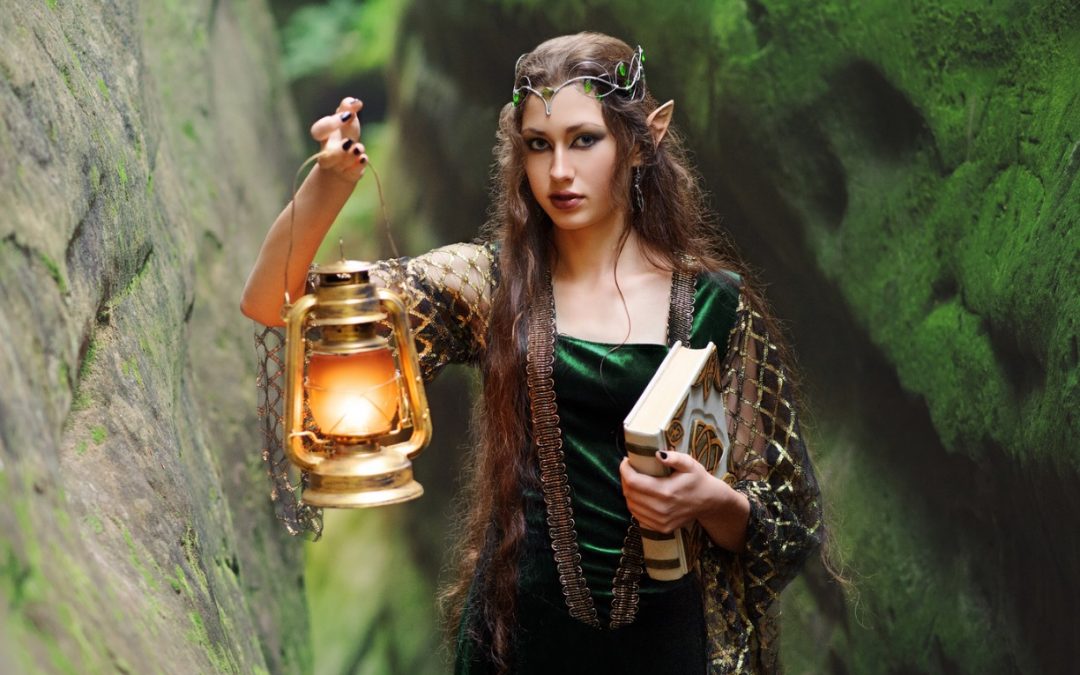
How to Craft Songs as Memorable as Tolkien’s
Although songs typically appear in epic fantasy, any genre can contain a scene that obligates the author to turn into a composer, such as a character blaring her favorite band on the stereo, a gathering around a campfire, or a mother comforting her child. Imitating three of Tolkien’s practices can equip you to fill that role without disrupting your story.

How Should Christian Authors Depict Violence?
Should you write a scene of human sacrifice where the priest cuts out the victim’s [bleep] with a stone knife, the body [bleep], and the blood [bleepity bleep bleep]? (I’m trying to be sensitive here.) These kinds of questions plague Christian writers—especially beginners and those who have been raised without exposure to brutality.

6 Ways Christian Writers Can Pray Over Their Stories
“May these words of my mouth and this meditation of my heart be pleasing in your sight, Lord, my Rock and my Redeemer.” (Psalm 19:14 NIV) This is one of my favorite verses, and I love to pray it over my writing. Recently though, I hit a brainstorming block that left me winded and unsure how to move forward. I swung from feverishly scribbling notes to mapping out the story on a whiteboard, hoping that a different view would help.

How Should Christian Authors Depict Darkness?
Light is a paradox. Without darkness, the light’s ability to reveal hidden wonders and dangers would be lessened. Without the night to conceal, gloom can’t be driven away by dawn. Without shadows for contrast, even the brightest light cannot manifest its full strength. This is true of the gospel as well as writing.

4 Essential Aspects of Any Character Flaw
Crafting three-dimensional characters is a complicated process involving a distinct voice, engaging descriptions, consistency, and a significant amount of luck. Why luck? Because a reader’s ability to connect with your character will depend on his own life experiences.

Article Categories