Latest Articles
How to Increase Your Efficiency When Researching for a Historical Novel
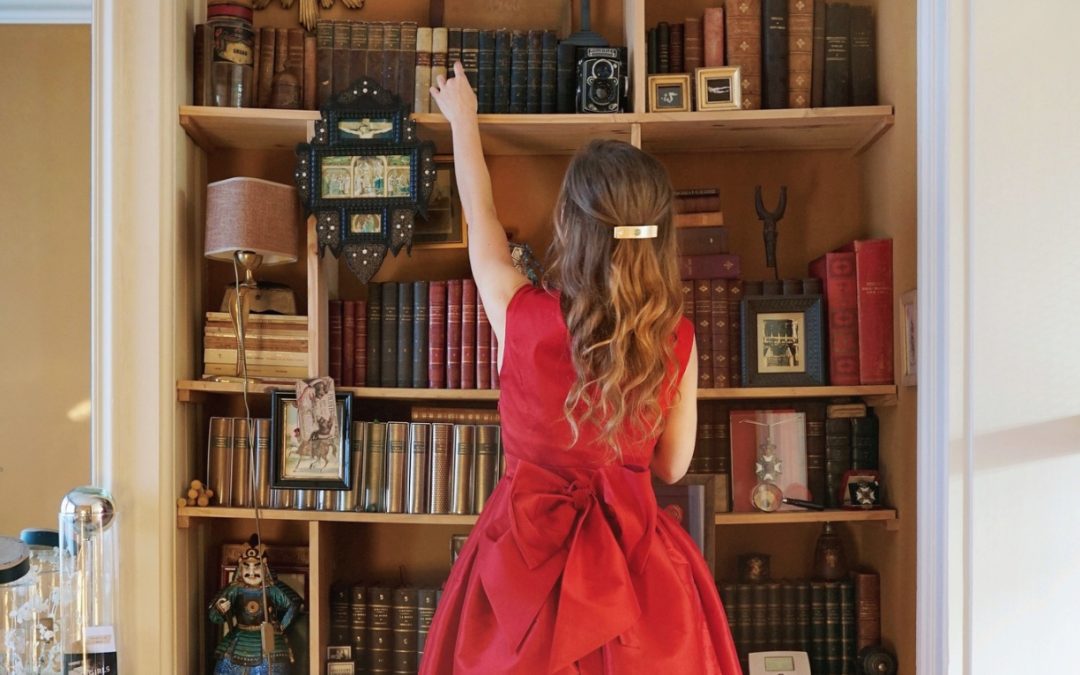
Writing historical fiction requires a level of thoroughness that exceeds other genres. Instead of constructing new worlds, you’re representing bygone people and places. You might pore over book after book in your library’s reference section, or you might scroll through dozens of online articles. Maybe you’ll even do both! Whatever time period your novel resides in, the amount of information you need to accurately portray it can seem overwhelming.

How to Showcase Light in a Story’s Darkest Moment
A non-writer friend once told me that I seem to enjoy making my characters suffer. I disagree. Sure, portraying pain can be an exciting challenge, but I don’t relish putting my characters through trials. If their hearts are breaking, so is mine. Despite this, I realize that characters, like people, grow through adversity, and oftentimes they experience the greatest change when their circumstances can’t get any worse. In storytelling terminology, this hopeless moment is known as the low point, and it happens shortly before the climax.
3 Ways to Craft a Unique Opening Line for a Poem
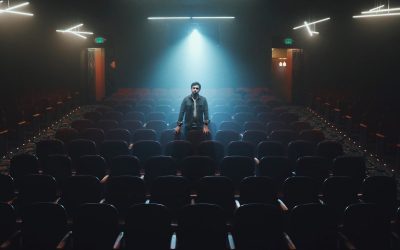
When you’re waiting for the curtain to rise at a theatrical production, you wonder what the stage will look like. Will the first few moments show dazzling scenery or characters prancing about? Will silence or song fill the air? What are you in for, and where will it take you? The catchphrase “lights, camera, action” captures the exhilarating transition from darkness to light and stillness to dancing. When you stand on the threshold of a poem, you’ll have similar questions and emotions swirling through your mind.

5 Reasons You May Want to Write Your Novel as a Short Story First
“The first draft of a novel is supposed to be terrible.” We’ve all heard that charming advice, and it’s usually true. But why do many first drafts fail? Because writers lose steam halfway through. I can’t tell you how many manuscripts I’ve abandoned after hitting a rough patch somewhere between the midpoint and the final act. Only a handful of my novels have ever reached “the end,” and the most structurally sound one came from a short story.

A Simple Strategy for Fixing Any Clichéd Trope
Despite a writer’s best efforts to be original, familiar plot and scene devices often sneak in. But you’re not a bad writer just because your manuscript contains clichés. Writers with less experience or narrower reading lists are more prone to gravitate to common tropes—not because they lack talent, but because the situations, characters, and settings are new to them. If you’re struggling with this issue, don’t be discouraged. Your storytelling senses are not broken.
Article Categories